Volkswagen has put an electric camper on sale that you cannot cook in.
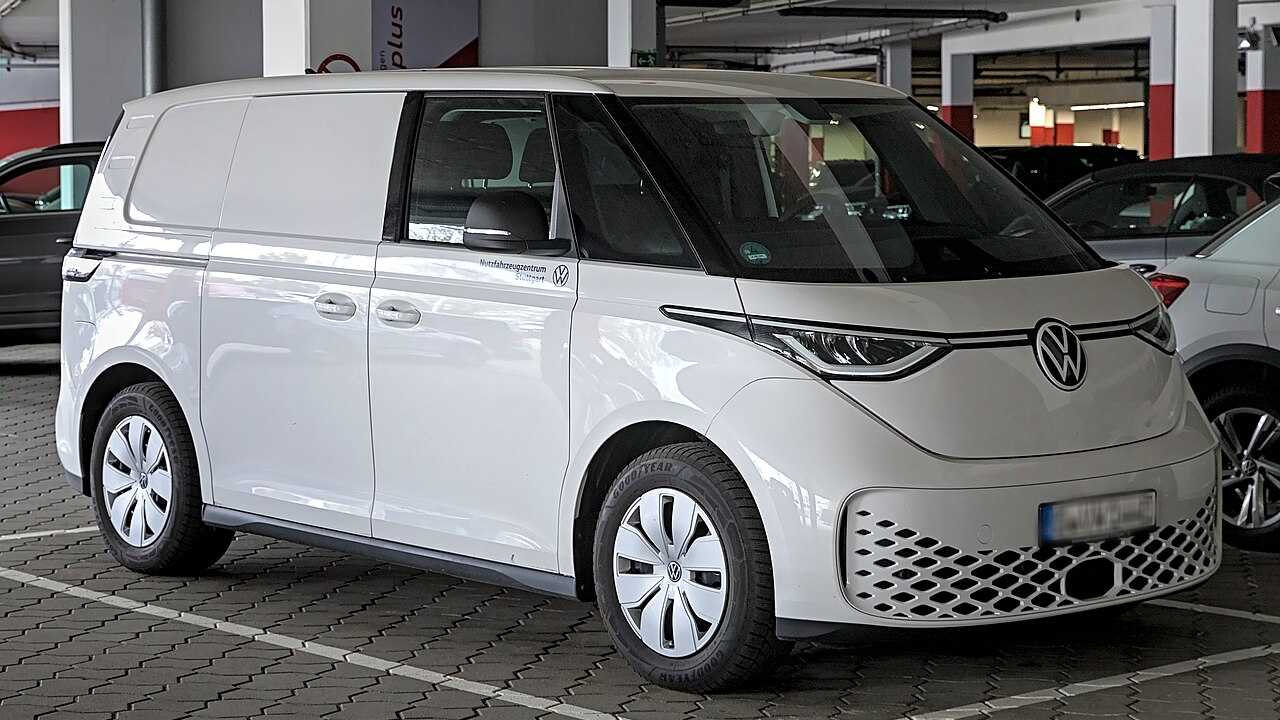
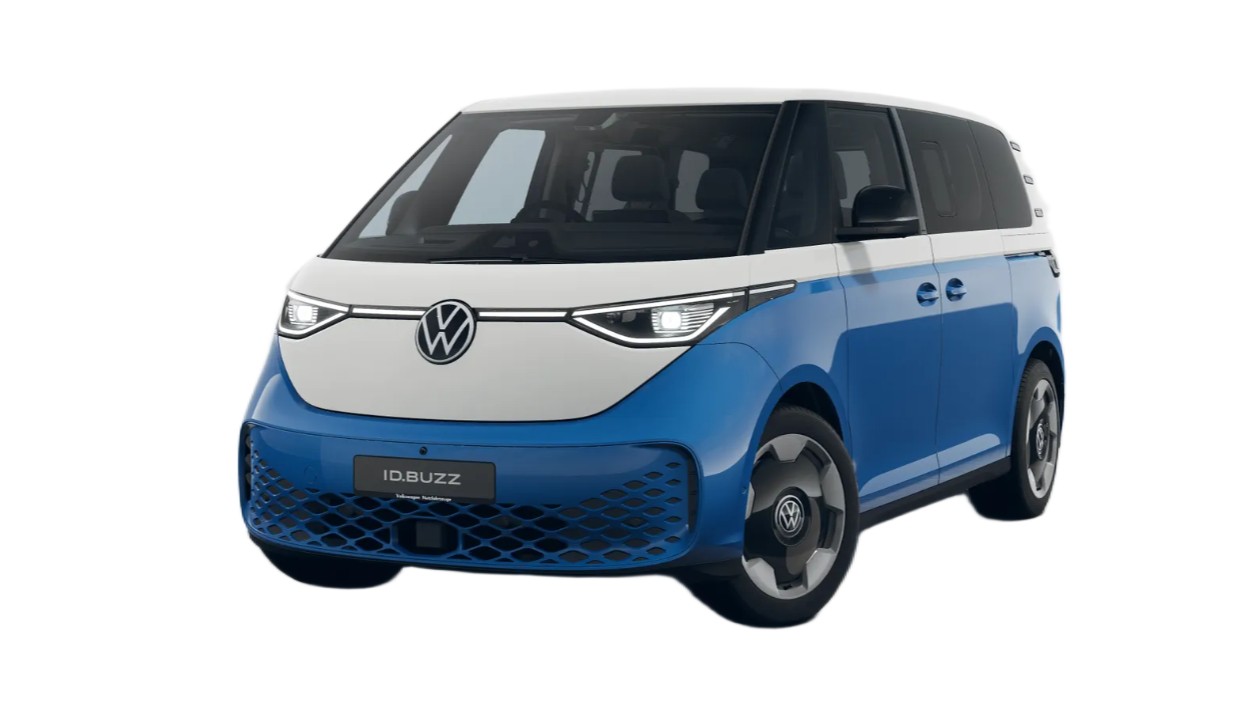
The ID. Buzz Beach reached UK order books in late November, with first deliveries due early in 2027. It is the first factory-built electric camper VW has sold here. Prices start at £53,955 before VAT, or £65,837 on the road.
Strip the announcement back and the Beach is a standard ID. Buzz Style with a bed, a table and a heating trick bolted on. VW charges £1,200 for the lot. That number is the whole story for anyone who converts vans for a living.
What VW Has Actually Put On Sale
The Beach starts from the Style trim, one rung above the base Life. For the £1,200 premium you get a fold-out double bed behind the rear seats, a table and folding chair, and blackout curtains for the side windows.
The headline feature is software, not furniture. An Overnight mode keeps the climate control, USB charging and cabin lighting running while you sleep. VW claims up to 48 hours of off-grid climate control from the main battery.
Standard Vehicle to Load lets you plug in a coffee machine or a portable hob.
Now the limits, because they matter more than the kit. The roof is fixed. There is no pop-top, and no kitchen option at all.
The mattress measures two metres by 1.2, and it sleeps two adults. On the five-seater the bed packs under the boot floor. On the six and seven-seaters it stacks upright and eats your cargo space.
The short-wheelbase car uses the 79kWh battery and claims 279 miles. Mechanically it is the Style you already know.
The California Name VW Is Keeping Back
In mainland Europe this exact van is sold as the ID. Buzz California Cruise. VW UK has chosen not to use the California badge here.
That is a deliberate call. The California name carries decades of pop-top campervan expectation in Britain, and the Beach has no pop-top and no kitchen.
Put California on the back and every buyer walks up expecting a rising roof and a sink. VW has kept the name in reserve for the camper it has not launched yet.
Read that as a signal about where the factory is heading. VW is testing the water with a camper-lite before it commits the California name to an electric model.
Mercedes has already moved its camper builds in-house, and VW building its own electric campers at Hanover points the same way. The Beach is the first step, not the finished product.
What It Means for UK Converters
Every limit on the Beach is a line on your sales page.
VW has handed converters a clear map. The factory van sleeps two, cannot cook, and loses its boot on the bigger layouts. That is the exact ground independent builders hold.
- Price against the real number. VW leads with £53,955 before VAT. Your buyer pays £65,837 on the road. Quote that figure next to your own build so the comparison is honest.
- Sell what the Beach cannot. A rising roof that sleeps two more. A fixed galley with a sink and a hob. A layout that keeps the boot. Set these against the factory spec, item by item.
- Brief your sales staff. The Beach is a Style with a bed, not a California. Anyone who knows that difference can answer the “why not just buy the VW” question before it costs you a sale.
- Take deposits on electric builds now. Wellhouse sold out its electric Kia PV5 camper before most buyers saw one in the metal. The appetite for an electric camper is here. The question is who takes the names first.
The companion move is the base vehicle. VW has also put a long-wheelbase ID. Buzz Cargo into production, which hands converters a flat-floored electric box to build on. The factory is selling the finished weekender and the raw material at the same time.
Who the Beach Actually Suits
Be fair to it. For the right buyer the Beach is a sensible thing to own.
Want a van that does the school run all week and sleeps two at a festival twice a year? The Beach does that with no conversion, on VW’s warranty and finance. No habitation check, no third-party build, no waiting list.
What it will not do is replace a proper campervan. You cannot stand up in it. You cannot make a cup of tea without unpacking a kettle.
Two people is the ceiling, and on the bigger models the bed takes the boot. The buyer who wants to tour for a fortnight is still a conversion customer.
That line, between the van you sleep in and the van you live in, is where the Beach splits the market in two.
The Bigger Signal
VW has not built the electric California. It has built the thing that tells you the electric California is coming, and it has priced the camping kit at £1,200 to see who bites.
For converters that is a warning and an opening in the same vehicle. The factory now sells a badge, a warranty and a finance deal on a van with a bed. You still sell the roof, the kitchen and the layout the factory left out.
Which of those is your workshop built to win?