Park Holidays UK has a new owner. On 23 September 2026 the operator completed its sale from Sun Communities, the US property group that bought it in 2022, to Aermont Capital, a European real estate investor. The deal valued the business at £768 million.
The company’s message to owners and staff is that nothing changes day to day. Same parks, same teams, same service.
That part is true for now. The part worth your attention is who has taken over, and what that kind of owner usually does next.
What Has Actually Changed Hands
Sun Communities paid £950 million for Park Holidays in 2022. Four years on, Aermont has taken it at a £768 million valuation, less than Sun paid.
And that is before the extras. Bisnow reports Sun spent a further £250 million buying the freeholds under its parks, which would put its total outlay past £1.2 billion. Sun has taken a loss on the way out.
So Aermont walks in at a low base. A low entry price is the first ingredient of a profitable sale later on.
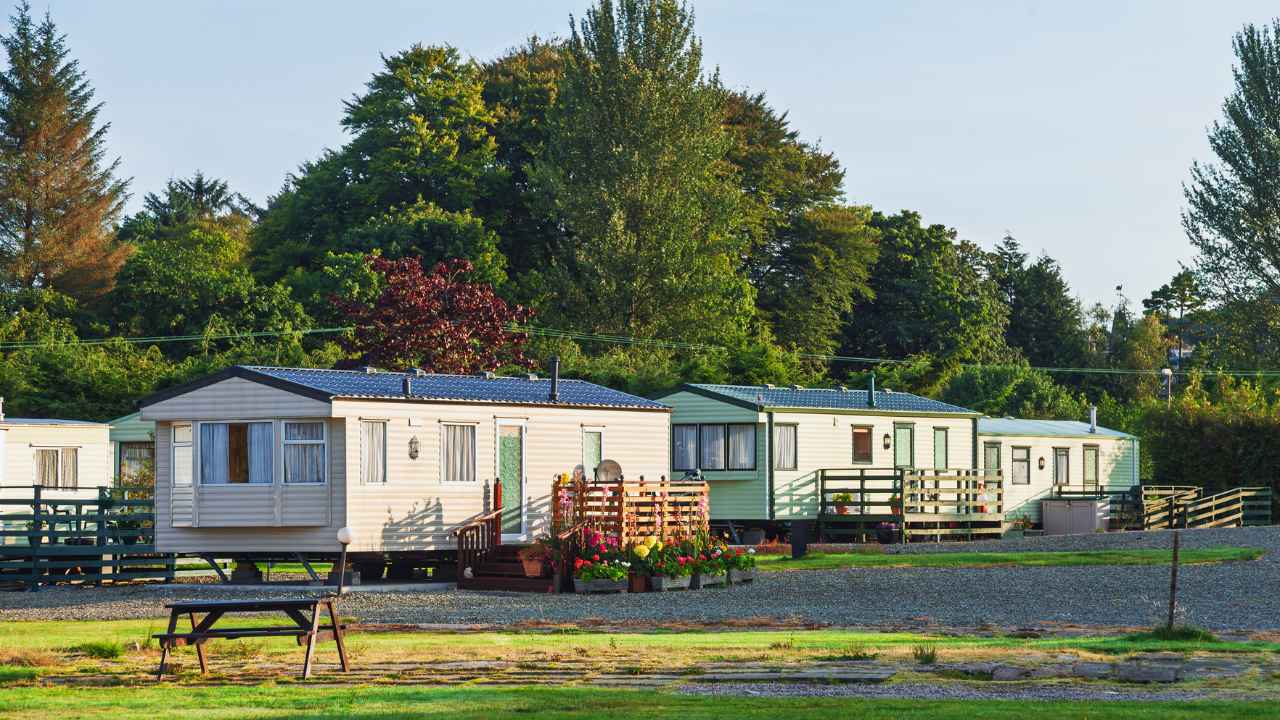
Park Holidays says it grew from 42 parks to 56 under Sun, mostly in coastal England, with sites reaching into Wales and Scotland. The Park Leisure parks are part of the same group, which ranks among the largest holiday park operators in the country.
Sun is leaving to become a pure North American business. By its own account, around 95% of its operating income will come from the US and Canada once the deal is done. The UK was a detour, and it has taken the money.
Why the Type of Owner Matters
Sun was an operator. It ran land-lease communities in the States and bought Park Holidays to do the same here, adding parks year on year.
Aermont is a different animal. It is a real estate asset manager with roughly 13 billion euros committed by investors, and its trade is to buy property-backed businesses, improve them, and sell them on.
Aermont and Park Holidays frame this as the next phase of growth, with investment continuing and operations unchanged. Take that at face value. The question is what a real estate fund’s idea of growth looks like.
Its best-known UK deal is Pinewood Studios: bought for £323 million in 2016, later valued in the billions. That is the pattern. Buy well, add value, sell at a multiple.
A fund buys with an exit in mind. That is not a plan Aermont has announced, it is how funds like this are built: buy, hold a few years, sell on. The clock on the next sale started the day this one completed.
So this is no criticism of Aermont. A low entry price and a value-minded owner can mean real money spent on the parks. But the money goes where it lifts the asset for the next buyer, not out of loyalty to the estate.
The deal also tells you capital still rates UK holiday parks, even as the figures cool. Savills put the average static holiday pitch value at £32,190 in 2025, down from over £42,000 at the 2023 peak.
Investors are still paying for the steady income parks throw off: pitch fees, holiday home sales and letting. The same confidence backed Zip World’s recent majority-investment deal.
What It Means for Holiday Home Makers, Suppliers and Rival Parks
A change of owner at an estate this size is a procurement reset. Whatever Park Holidays bought, and on what terms, is now open to review.
If you supply holiday homes, lodges, groundworks or services to the group, expect one of two things, maybe both.
- A spending push. Value-minded owners invest early to lift an estate: new homes on pitches, upgraded facilities, smarter amenities. That is order volume for the holiday home trade, from Willerby down to smaller builders like Victory and Atlas, and work for suppliers.
- A margin review. The same owner wants a return, so buying gets harder-nosed. Prices, contracts and payment terms get looked at. A long arrangement is not safe just because it is long.
What to do this month:
- If Park Holidays is a customer, ask your contact what the new ownership means for the 2027 buying programme. Do not wait for the answer to find you.
- Check your exposure. If one group is a large slice of your order book, a procurement reset is a risk as much as a chance. Start talking to other operators now.
- If you run a rival park, watch whether Park Holidays keeps buying. Sun added sites every year. A fund fixing up what it already owns may stop bidding, which changes who you are up against when the next park comes to market.
For any operator weighing its own sale, this deal is a live read on what a quality estate fetches, and who is at the table.
What It Means for Holiday Home Owners
If you own a static on a Park Holidays park, nothing shifts this season. Your park, your site fees and your team stay as they are.
The thing to grasp is the horizon. A real estate fund is a temporary owner by design. In time the estate will probably change hands again, and the next owner inherits your pitch agreement.
Money spent under a value-minded owner tends to land where it lifts a park’s worth and its letting appeal: better pitches, smarter facilities, tidier grounds. That is good news if you holiday there.
The other side is that fees and park decisions get set with the exit in mind. Owners who want a say should read their licence terms now and ask the park what is planned, rather than after the next sale lands.
Watch the Capex, Not the Reassurance
Sun wanted a UK platform and has sold up four years later. Aermont wants a well-bought asset to improve and move on. The business keeps running while its owners come and go.
For everyone who sells to, competes with or holidays on these parks, the question is not whether the service holds this year. It is what gets built, bought and charged while a new owner works towards its exit. Watch the capex, and watch the terms.