Lyons Holiday Parks has reported higher turnover, higher profit and better margins for its latest financial year. A 100-year-old family firm, growing through a cost of living squeeze. The press write-up almost drafts itself.
Read the accounts a little closer and the headline turnover rise mostly disappears. What is left is the part worth your time: a margin that improved, and growth that came from somewhere other than selling more holidays.
What the Numbers Actually Show
The figures cover the 12 months to 31 January 2026. Turnover was £59.8m, up from £54.9m. Operating profit rose from £13.2m to £14.7m, and gross margin went from 69.8 per cent to 71.3 per cent.
One detail changes how you read the top line. The £54.9m comparison covers 11 months, not 12. Lyons moved its year-end, so it is measuring a longer period against a shorter one.
Spread both across their actual trading months and turnover per month barely moved: about £4.98m this year against £4.99m last. On a like-for-like basis, revenue was flat.
The margin gain is the real movement, because a percentage does not care how many months you counted. Lyons took more profit out of broadly the same revenue. That is a different achievement from growing, and in this market it is the harder one.
Why This Matters for Park Operators
The backdrop is a market that stopped climbing. Savills tracked holiday static pitch values falling from a 2023 peak of around £42,600 to about £32,200 in 2025 before steadying. IBISWorld puts UK caravan parks and camping at roughly £4.7bn, growing around 1.8 per cent a year.
Nobody is being carried by rising demand, a pattern Away Resorts’ own numbers pointed at earlier this year.
So where did Lyons find its extra profit? Three places, none of them a busier booking line.
It held margin: costs stayed in check while prices held, lifting gross margin by 1.5 points.
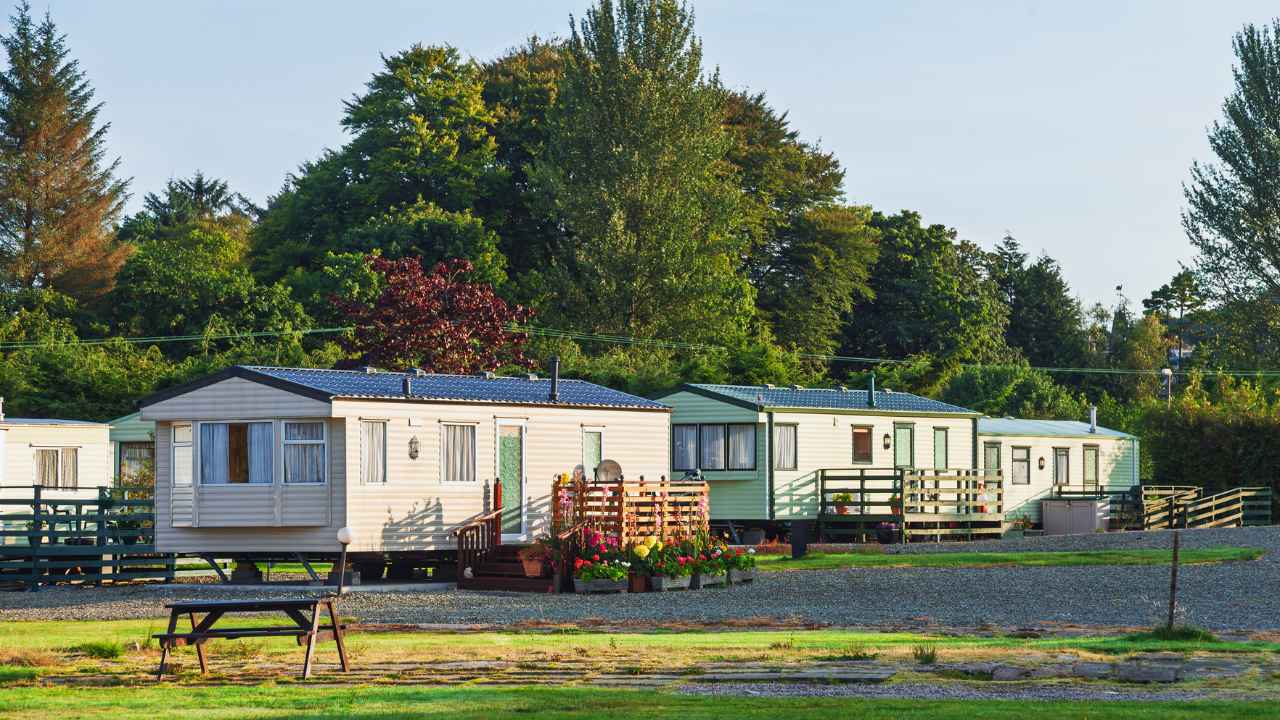
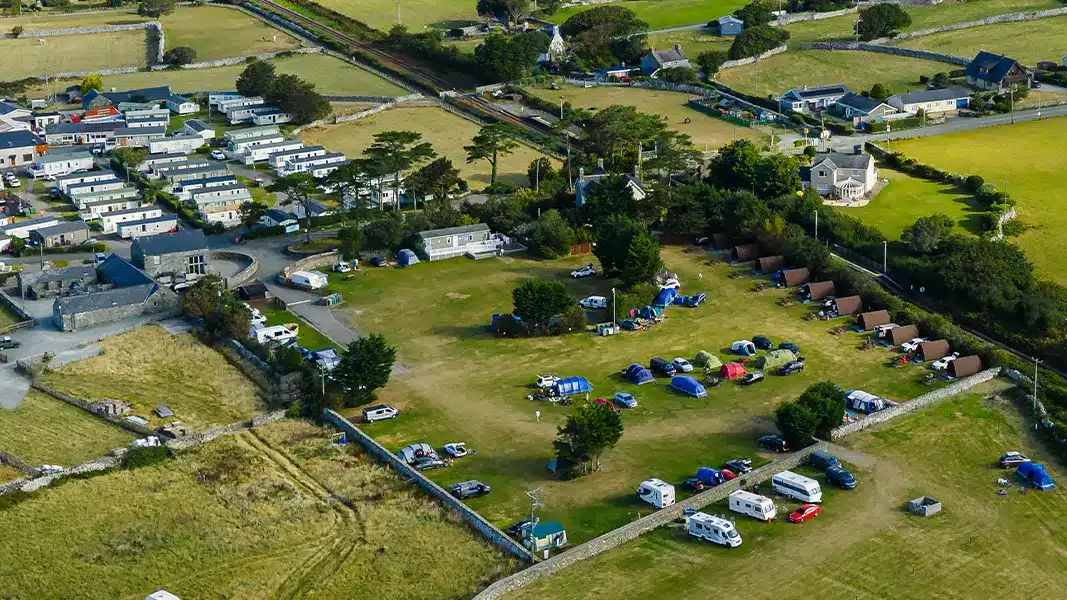
It bought parks it could run cheaply. During the year it acquired Terfyn Pella, a park sitting next to an existing site, so it runs on staff, plant and infrastructure Lyons already pays for. A bolt-on that shares a back office earns more per pound of revenue than a standalone site ever will.
And it kept buying seafront arcades. Lyons added Mr B’s Arcade, due to open in 2027, and bought Sandancer Arcade at Talacre after the year-end. That is revenue from what guests spend once they arrive, not from whether a pitch sells.
Read together, it is the same signal coming off other operators’ accounts: growth bought through consolidation and spend-per-guest, not footfall. Park Holidays’ move under Aermont said it from the buy side. Knaus Tabbert said a version of it from the factory, where profit rose while revenue fell.
What Operators and Holiday Home Teams Should Do
Four things, and you can start this month.
Normalise your own year before you write the board note. Strip out period changes and the sites you bought mid-year, then look at what the core estate did on its own. Lyons’ top line looks like 9 per cent growth and reads as flat once you do that.
Treat secondary spend as a profit line, not an extra. Lyons is buying arcades on purpose. Look at what each guest spends on site beyond the pitch, arcades, food, activities, and whether you are measuring it per head the way you measure occupancy.
Value the land next door differently. A park beside one you already run shares a manager, a maintenance team and a marketing budget. On a standalone view it looks ordinary, on a shared-cost view it can be the best buy on your list.
Hold price before you chase volume. In a flat market, a point and a half on gross margin is worth more than the bookings you would discount to win. Lyons took the margin.
For owners and guests, the arcade push means more to spend money on once they are through the gate, while pitch fees stay under the usual inflation pressure the NCC and BH&HPA have flagged. The on-park economy is doing more of the work.
A flat market rewards the operators who grow profit without needing more customers. Lyons did it with margin, infrastructure it already owned, and takings beyond the pitch.
The question for everyone else filing accounts this winter is a plain one. Strip out the extra month and the sites you bought, and did the core business actually grow, or did it just look like it?