
Thetford’s DCA Acquisition: Why This Deal Matters to UK Leisure Vehicle Dealers
Discover why Thetford's DCA acquisition matters for UK leisure dealers. Learn about supply chain shifts, competitive advantages, and industry consolidation. Read more.
NEWSCARAVANS, MOTORHOMES & CAMPERVANS
Will Hawkins
10/11/20254 min read
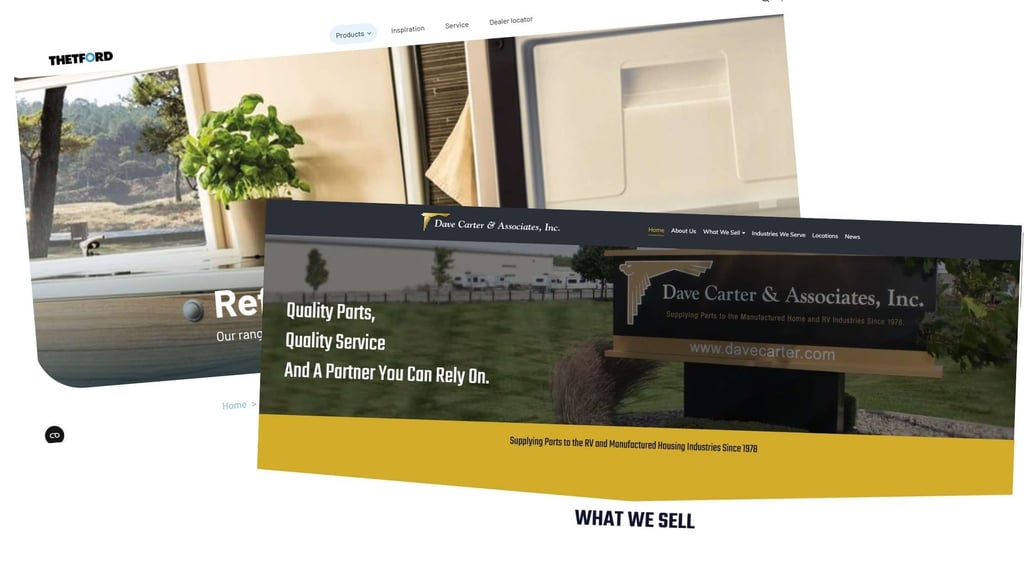
Thetford’s acquisition of Dave Carter & Associates (DCA) might look, at first glance, like a North American distribution story. It isn’t.
It’s a strategic move that has real implications for UK leisure vehicle dealers, suppliers, and consumers — and it signals where the global RV and caravan supply chain is heading next.
What’s Actually Happened?
Thetford, the world’s leading supplier of sanitation, refrigeration and cooking systems for leisure vehicles, has acquired Dave Carter & Associates, a major distributor of electrical, plumbing and building components into the RV and manufactured housing sectors.
This creates a combined platform covering:
Product design and manufacturing
Deep aftermarket and OEM distribution
Logistics reach across 65 countries
Increased scale in the world’s largest RV market
This is less about ownership and more about control of supply, speed to market, and system integration.
What This Means for UK Leisure Vehicle Dealers
Even though DCA is North America–focused, UK dealers should pay attention.
Short Term
More stable product availability for Thetford systems
Improved global logistics resilience
Potentially faster access to new product ranges
Medium Term
Dealers aligned with large, integrated suppliers gain an advantage
Independent or niche suppliers may struggle on price, availability, or lead times
Expect tighter dealer programmes and clearer partner hierarchies
Long Term
Dealers who understand systems, not just vehicles, will win
Aftersales, servicing, and retrofitting become bigger revenue drivers
Product education becomes a competitive differentiator
If your dealership still treats toilets, fridges and electrics as “extras,” you’re already behind.
What's Likely To Happen Next?
Alright, let’s be blunt.
Consolidation in the leisure vehicle supply chain isn’t coming — it’s already underway. Thetford + DCA is just a visible symptom. The next product categories to consolidate are the ones that tick three boxes:
High system dependency (they interact with multiple other components)
Aftermarket criticality (failure = angry customers + downtime)
Fragmented supplier base (lots of small brands, thin margins)
Here’s where the pressure will land next.
1. Electrical & Power Systems (Highest Risk, Fastest Timeline)
This is the next domino to fall.
Why consolidation is inevitable
Leisure vehicles are becoming rolling electrical systems
Lithium batteries, solar, inverters, DC-DC chargers, control units all have to talk to each other
Fragmented brands = integration hell
Warranty disputes are already a mess
What will consolidate
Battery manufacturers + inverter/charger brands
Power management software + hardware
Solar + energy storage bundles
What this means for dealers
Fewer “mix and match” installs
More closed ecosystems
Higher upfront costs, but fewer post-sale problems
If you’re still letting customers choose five different electrical brands, you’re underwriting your own support nightmare.
2. Climate Control (Heating, Cooling, Air Management)
Why it’s next
Heating, hot water, air con and ventilation are converging
Electrification is forcing redesigns
Regulations around efficiency and emissions will tighten
Likely consolidation pattern
Heater + boiler + air distribution
Air con + smart thermostats + power management
Fewer standalone units, more integrated systems
Dealer impact
Installation becomes more technical
Training matters more than price
Aftersales becomes a profit centre (if you’re competent)
Expect “system-certified dealers” to outperform generic fitters.
3. Control Panels, Smart Interfaces & Vehicle Software
This category looks small. It isn’t.
Why it’s dangerous to ignore
Control panels sit above every onboard system
Whoever owns the interface owns the customer experience
Software updates = recurring leverage
What consolidation looks like here
Control panels bundled with electrical + water + climate systems
Proprietary software ecosystems
Less third-party compatibility
Translation for dealers
Reduced flexibility
Higher switching costs
Better reliability if you commit — pain if you don’t
This is where Apple-style ecosystems quietly creep into leisure vehicles.
4. Water Systems (Pumps, Tanks, Filtration, Sensors)
Historically boring. About to get strategic.
Why it’s consolidating
Water, waste and sanitation are now monitored, not just used
Sensors, filtration, pumps and tanks are becoming interdependent
Sustainability pressure is increasing
Likely moves
Pump + sensor + control integration
Filtration bundled with sanitation
Predictive maintenance features
For dealers, this means fewer parts suppliers — and fewer “cheap fixes”.
5. Aftersales & Parts Distribution (The Silent Land Grab)
This is the sleeper category everyone misses.
What’s happening
Manufacturers want direct control of spares
Distribution = margin + data + leverage
Dealers become service nodes, not gatekeepers
Expect:
Centralised parts platforms
Faster delivery, less dealer margin
Tighter authorised repair networks
If aftersales is your profit engine, protect it now — or someone else will own it later.
Categories LESS Likely to Consolidate (For Now)
Let’s be fair — not everything gets swallowed.
Furniture & cabinetry (too bespoke, low tech)
Soft furnishings & awnings (brand-driven, not system-critical)
Chassis conversions (still fragmented by regulation and use case)
But even these aren’t immune long term.
The Strategic Reality for UK Dealers
Here’s the uncomfortable truth:
Dealers who understand systems will outperform dealers who understand products.
Consolidation rewards:
Technical competence
Supplier alignment
Aftersales capability
Education-led sales
It punishes:
Price-led selling
Brand hoarding
“We’ve always done it this way” thinking
Straight Talk: What You Should Be Doing Now
If you’re running or advising a dealership:
Audit your supplier stack
Where are you exposed to fragmented systems?Pick future winners early
Back platforms, not parts.Invest in training, not brochures
Knowledge will outsell discounts.Reframe aftersales as strategy, not support
That’s where margin stability lives.
The Bigger Picture
This acquisition confirms a wider trend:
The leisure vehicle industry is moving from fragmented suppliers to integrated platforms.
For dealers, that means:
Choosing partners more carefully
Thinking beyond unit sales
Investing in technical knowledge and aftersales capability
For manufacturers and suppliers, it’s about scale, resilience and speed.
And for anyone still running their business like it’s 2015 — the market is quietly moving on without you.
Why This Is Important for the Industry
The leisure vehicle industry has a structural problem: complexity.
More electronics. More systems. More consumer expectations. Less tolerance for delays or failures.
This deal tackles that head-on.
Three big industry shifts are happening here:
1. Distribution Is Becoming Strategic, Not Operational
Distribution used to be “move boxes from A to B.” Not anymore.
By bringing distribution closer to product design, Thetford gains:
Faster product rollout
Better stock forecasting
Fewer bottlenecks during peak season
More influence over aftermarket availability
That’s critical in a market still scarred by supply chain disruptions.
2. Scale Is Now a Competitive Advantage
Smaller suppliers will struggle to compete with:
Broader product ecosystems
Integrated logistics
Global availability
Consistent service levels
Expect further consolidation. This won’t be the last deal like this.
3. Manufactured Housing Is Converging with RV Design
Thetford openly references manufactured housing as a growth area, driven by affordability pressures in the housing market.
That matters because:
Technologies cross over
Production efficiencies improve
Innovation accelerates
RV design doesn’t exist in a bubble anymore.
What It Means for Consumers (Whether They Know It or Not)
Consumers won’t see this deal directly — but they’ll feel it.
Likely outcomes:
More reliable vehicles
Better-integrated onboard systems
Faster access to replacement parts
Fewer warranty delays
Incremental improvements in usability and sustainability
The downside? Reduced choice if consolidation goes too far. The upside? Fewer headaches on site when something breaks.
Most customers don’t care who owns the supply chain. They care that their fridge works and their toilet doesn’t fail on day three.
Insights
Stay updated with trends in outdoor leisure.
Subscribe
Connect
Call +(44) 07725 003675
© 2026 Digi-Business Ltd All rights reserved
Resources
Registered Address:
The Adventure Business Update
c/o Digi-Business Ltd (t/a Digital Business)
Lytchett House
13 Freeland Park
Wareham Road
Poole
Dorset
BH16 6FA