You can spend a few hundred pounds on a show stand or well over ten thousand. What decides whether any of it pays back is set before the doors open, not on the day. Tom Watts of Stand Central breaks down where the money actually earns its keep.
Guest contribution. ABU edited it for house style and kept editorial control. The single link to Stand Central is sponsored.
At a caravan and motorhome show the vehicles do most of the work. People come to walk through layouts and open the lockers, and a stand isn’t going to change that. What it does change is what happens around the vans. Whether someone can find you from the aisle, whether they can see who to talk to, and whether there’s anywhere to sit down and talk about a part exchange once they’ve had a look round. That’s where the return on a show comes from, so it’s worth judging every part of the stand by how many proper conversations it helps you have.
Get your name above the roofs
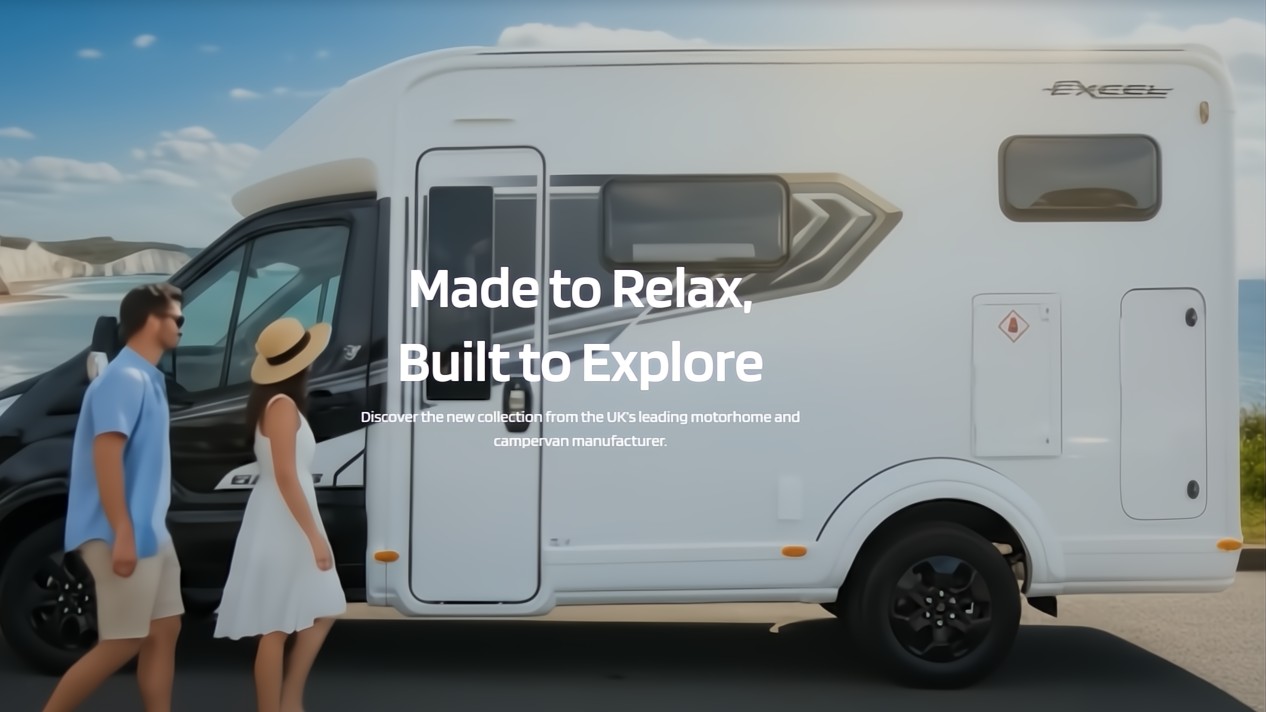
Most motorhomes are close to 3m tall and a lot of tourers aren’t far behind. A 2.4m back wall, which is the standard height for most pop-up and modular stands, disappears behind the first van on the plot. Visitors walking down the aisle can see the vehicles but often can’t tell whose they are.
The fix is height that sits where the vans don’t. Tall totems or flags at the corners of the plot, a hanging sign if the venue allows it, or your name on a fascia across the front. Check the show’s manual before you buy anything tall, as height limits and the paperwork for space-only builds vary between venues and organisers.
For a smaller dealer with one or two vans on a shared plot, a couple of tall banners at the aisle edge does this job on its own. You don’t need a full back wall to be found.
Leave room to walk and look
The plots that work best keep a clear route in from the aisle and let people move between vehicles without squeezing past steps and awnings. If visitors have to queue behind a family to get into one van, a good share of them won’t bother and will move on to the next stand.
Graphics should sit behind or between the vans, never in front of them. A banner that blocks a side window or the door is costing you looks, and the vehicle is what they came to see. Keep the walls for your name, your brands and one or two short lines about what makes you different (finance, part exchange, servicing, a big used range, whatever is true for you).
Give the conversation somewhere to happen
This is the part dealers skip most often. Someone has walked through three vans and is interested, and the only place to talk is a doorway or the aisle. A counter or a small table with a few chairs in a quieter corner of the plot turns a browse into a proper conversation about budget, part exchange and timing.
It doesn’t need to be big. A counter with storage underneath for brochures and price lists does it, and on a busy day it also gives your team a fixed point so visitors know who to ask.
When lighting is worth paying for
Halls vary a lot. Some are bright, but many have dark corners and the light drops off late in the afternoon. If your plot is against a back wall or in a dim part of the hall, lighting on your graphics makes a real difference to whether people notice you from a distance. An LED lightbox or a lit wall is the strongest option, and arm lights on a fabric wall are the cheaper one.
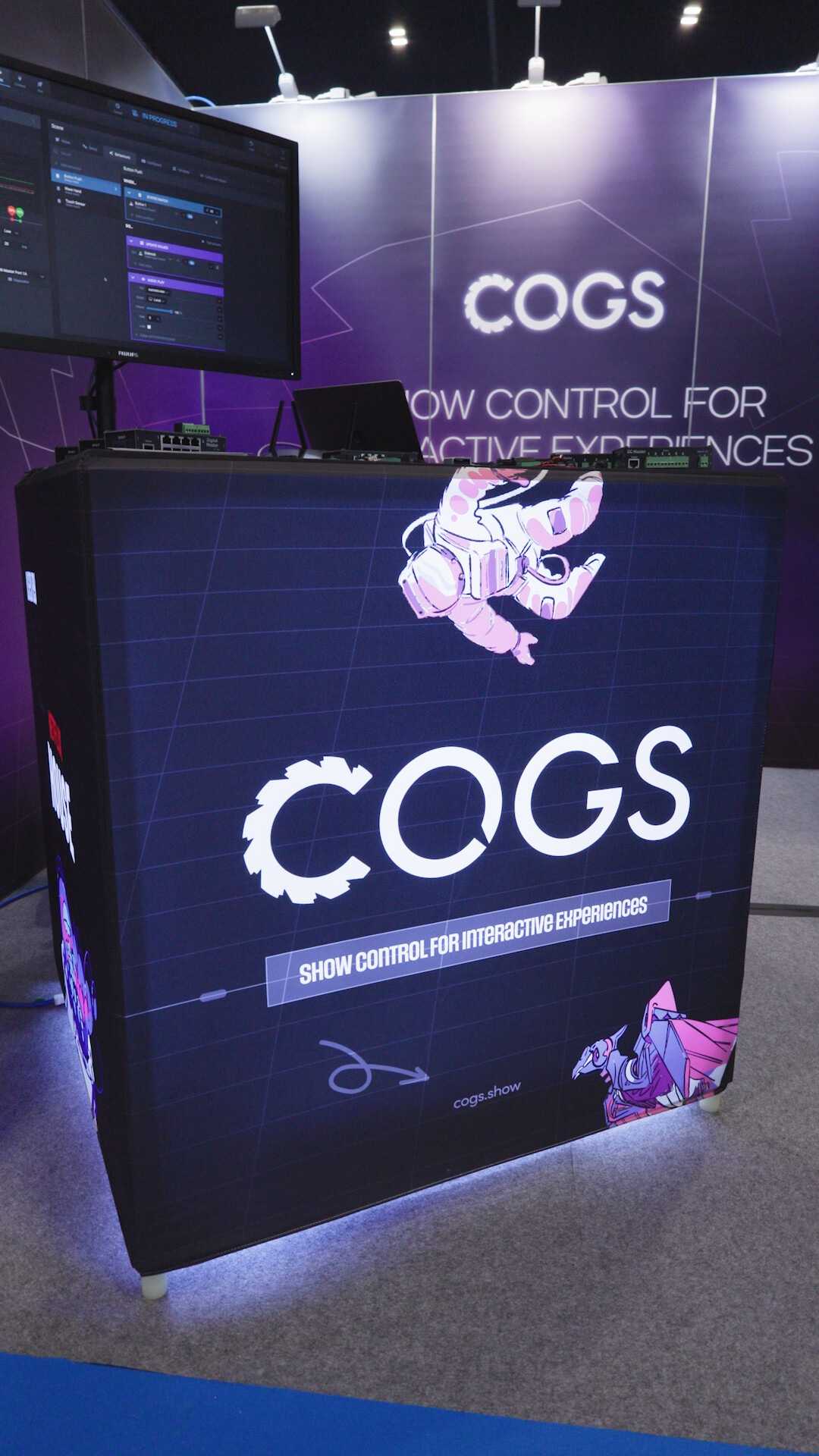
If you’re in an open, well lit part of the hall, or the show is mainly outdoors, I’d spend the money on height and a counter first.
Rough costs
These are typical UK prices for buying the kit outright, ex VAT, as of November 2026. Space and shell rates come on top, and they vary a lot from show to show.
- Single printed roller banner: roughly £80 to £300, depending on width and the quality of the base. Wider ones cost more.
- Two or three banners and a printed counter: roughly £500 to £1,000. For a smaller dealer with a couple of vans, this is often all you need.
- Fabric back wall with a counter (3m x 3m): roughly £700 to £1,500, and £2,000 to £2,500 or so if you add LED lighting.
- Modular stand you own (walls, counter and some storage): from around £3,000 for a small one to £6,000 to £10,000 for a larger plot. Hiring a modular stand, with graphics and fitting included, usually starts at around £350 per m².
- Custom-built stand from a stand builder: usually starts at £250 to £300 per m² and goes well beyond that once you add joinery, flooring and AV.
Bought kit gets reused, so the cost spreads across every show you take it to. A dealer doing three or four shows a year can usually justify more than one doing a single show.
Pre-show checklist
- Book your space early and ask for the plot plan, so you know which sides are open and where the aisles run.
- Read the exhibitor manual. Note the height limit, the deadlines for stand plans and the rules on hanging signs and power.
- Decide which vehicles go where before you order graphics, so no banner ends up behind a van.
- Measure the plot against the vehicles, including steps, awnings and doors when open.
- Order graphics at least four weeks before the show and check the proofs for prices or offers that might change.
- Check that anything bought for a previous show still fits the plot, and that the graphics are still current.
- Order power for lighting and any screens, and bring extension leads and spare bulbs or LED strips.
- Plan who covers the counter at each part of the day, including breaks.
- Prepare price lists, finance examples and part exchange forms, and have a simple way to take details at the counter, whether that’s a tablet or a printed form.
- Bring a small tool kit, cable ties, tape and cleaning kit for the vans.
- Agree before the show how leads will be followed up, by whom and within how many days.
- Take photos of the stand on the first morning, so you’ve got a record of what worked for next time.
The last two points are the ones that turn a busy weekend into sales. A stand that gets people talking only pays back if someone calls them the following week.
If you want to see how different stand set-ups compare at a vehicle show, our guide to the best exhibition stand for a car show covers it in more detail.
 Tom Watts is a director of Stand Central, a UK supplier of exhibition stands, banners and displays.