Fjällräven SS26: Loyalty, Lightweight, and a Clear Signal to the Outdoor Retail Market
How Fjällräven's SS26 is reshaping outdoor retail: lightweight, loyalty, durability. Discover why outdoor brands are shifting demand. Read now.
NEWSOUTDOOR RETAIL & EQUIPMENTEUROPE
Will Hawkins
1/23/20263 min read
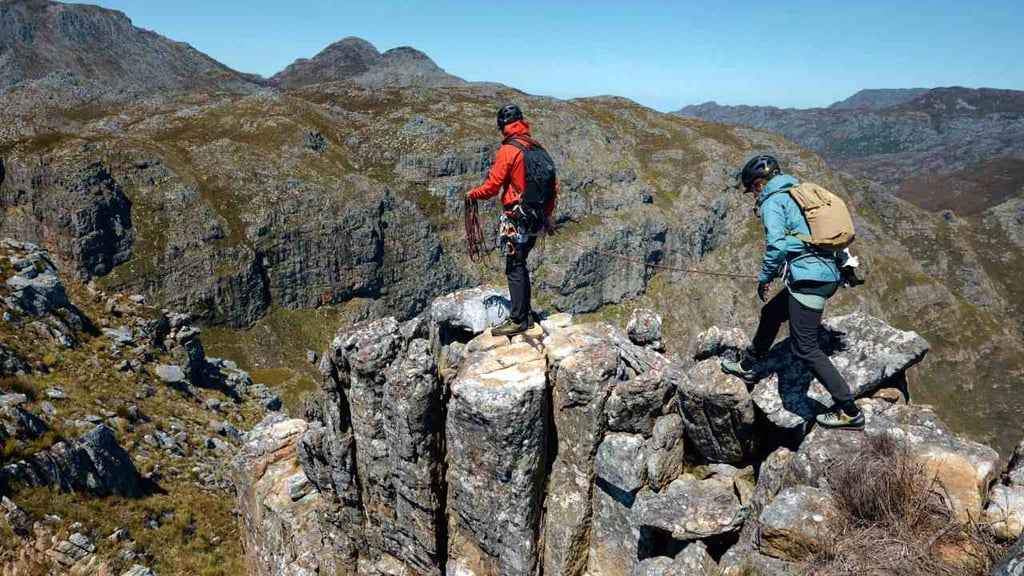
Fjällräven’s Spring & Summer 2026 announcement isn’t about seasonal colours or incremental product tweaks. It’s about how outdoor brands are reshaping demand, loyalty, and retail expectations — and why anyone selling outdoor gear should be paying close attention.
Let’s break it down.
What Fjällräven Is Actually Doing (Beyond the Marketing Language)
Three moves matter here.
1. Turning Sustainability Into Retention, Not Messaging
The continued rollout of the Forever Fjällräven Club across Europe is not a soft brand exercise. It’s a structural play to:
Extend product lifecycles
Reward repair, reuse, and long-term ownership
Keep customers inside a single brand ecosystem
This reframes sustainability as a commercial retention tool, not a marketing claim.
For retailers, this signals a shift away from one-off transactions towards lifetime customer value built on care, service, and education, not just product churn.
2. Lightweight Is Moving From Specialist to Standard
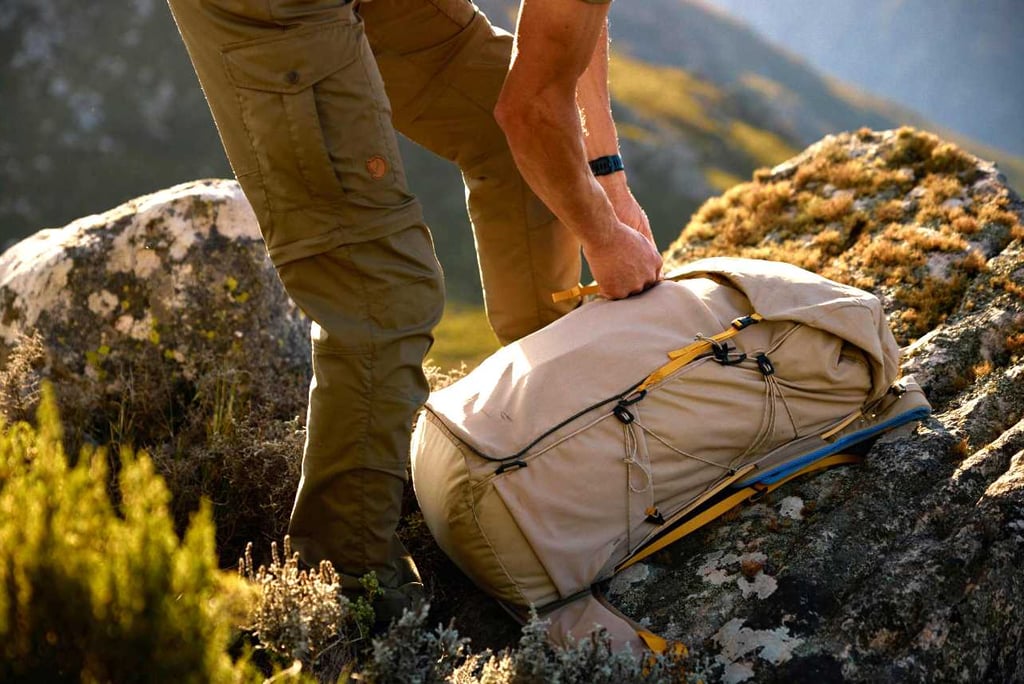
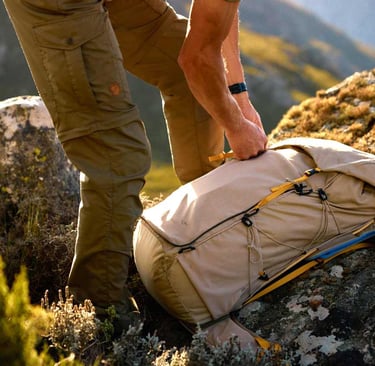
The Kajka X-Lätt backpack is the clearest signal in the SS26 range.
Just over 1kg
45L capacity
Modular storage
Already award-winning
This isn’t Fjällräven chasing ultralight purists. It’s bringing lighter systems into the mainstream trekking and travel market, backed by durability and brand trust.
The upcoming Keb Lätt collection reinforces the same point: consumers want to lower overall kit weight without sacrificing function or lifespan.
For retailers, this matters because lightweight is no longer a niche category — it’s becoming a baseline expectation.
3. One Brand, Multiple Use Cases — One Value System
Cycling (Hoja). Alpine use (Bergtagen). Trekking (Kajka, Keb). Entry-level multi-day trekking via Fjällräven Classic.
The important shift isn’t product breadth. It’s audience design.
Fjällräven is no longer segmenting by activity alone. It’s segmenting by how people engage with the outdoors, from first-time multi-day trekkers to experienced mountain users — all anchored to the same core values.
That creates consistency across categories, seasons, and store formats.
What This Means for Outdoor Retail Strategy
On a practical level, Fjällräven’s SS26 direction points to several implications:
Customers are researching earlier and buying more deliberately
Weight, versatility, and longevity are becoming primary decision drivers
Brand ecosystems are starting to outperform multi-brand comparison alone
Retailers who understand systems, use cases, and long-term value will outperform those still relying on feature lists and price promotions.
Simply stocking the product is no longer the differentiator. Explaining why it lasts, how it fits into a wider kit, and what happens after purchase is.
The Bigger Takeaway
This isn’t a seasonal range update.
It’s a reminder that the strongest outdoor brands — and retailers — are building ecosystems, not just assortments.
If your retail strategy still revolves around turnover alone, you’re competing on the weakest possible ground.
The signal is clear.
Why This Matters for Outdoor Retailers
This release reinforces three wider shifts shaping the outdoor retail market:
Durability is replacing disposability
Lightweight expectations are moving downstream
Community and education now influence purchasing as much as specs
Retailers still optimised around seasonal launches and discount cycles will feel increasing pressure. Brands that support longer ownership, repairs, and repeat engagement will hold customer attention longer — and command more trust.
That changes how products need to be sold, merchandised, and supported in-store and online.
The Consumer Shift You Can’t Ignore
Outdoor consumers are becoming:
More intentional
More values-driven
More conscious of weight, packability, and durability
Less tolerant of disposable gear
Fjällräven’s emphasis on repair, reuse, and long-term ownership aligns neatly with how people now think about buying anything they expect to live with for years, not months.
That mindset isn’t limited to hardcore adventurers. It’s moving steadily into the mainstream.
Insights
Stay updated with trends in outdoor leisure.
Subscribe
Connect
Call +(44) 07725 003675
© 2026 Digi-Business Ltd All rights reserved
Resources
Registered Address:
The Adventure Business Update
c/o Digi-Business Ltd (t/a Digital Business)
Lytchett House
13 Freeland Park
Wareham Road
Poole
Dorset
BH16 6FA