
Experience-Led Travel Isn’t a Trend Anymore. It’s the Market
Experience-led travel is now the market standard. Discover 6 behavior shifts showing why guided experiences and cultural skills matter more than destinations.
NEWSADVENTURE TOURISM & EXPERIENCESTRAVEL
Will Hawkins
11/24/20254 min read
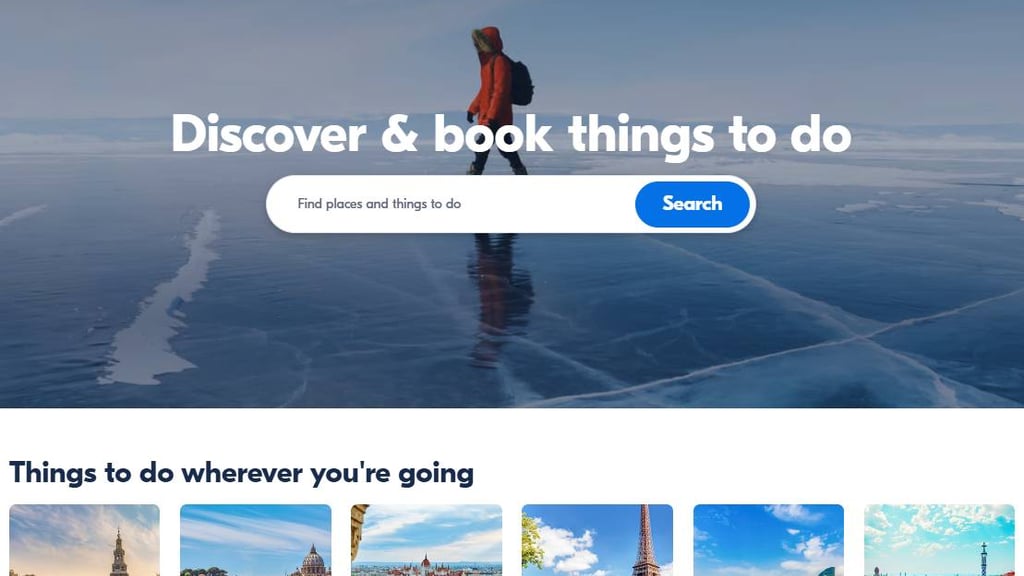
GetYourGuide has published a data-led snapshot of what will actually motivate travel decisions in 2026 — and it confirms something the adventure travel sector can’t afford to ignore: destination is no longer the primary product. Experience is.
This isn’t speculative trend-spotting. It’s based on booking behaviour, search demand, and traveller intent across major Western markets, including the UK .
Let’s break down what’s really happening — and why it matters.
What’s Changed: Travel Motivations Have Shifted, Permanently
Six clear behaviour patterns emerge. None are surprising in isolation. Taken together, they point to a structural shift in how people plan and justify travel spend.
1. Nature Is Being Reframed as Skill and Status
Birdwatching isn’t resurging because it’s quiet or slow — it’s resurging because it’s learnable, social, and culturally validated. Over half of travellers say they’d consider it on their next trip, driven by guided formats and social discovery.
This matters because:
Passive nature consumption is declining
Guided nature interpretation is rising
Expertise is now part of the product, not an add-on
Adventure operators who treat nature as “free scenery” are underpricing what customers now value.
Why This Matters for the Adventure Travel Industry
The uncomfortable truth: many adventure travel products are still sold like logistics, not outcomes.
What this data shows is that:
Travellers are planning earlier
Researching deeper
And choosing based on what they’ll become, not where they’ll go
Operators who rely on scenery, legacy itineraries, or vague “authenticity” language will struggle to stand out in a market increasingly driven by curiosity and competence.
The Bigger Takeaway
The global experiences market now runs well into the hundreds of billions. But growth isn’t coming from more travel. It’s coming from better reasons to travel.
Curiosity-led travel isn’t a niche. It’s the organising principle for the next phase of the market.
If you sell adventure travel and your product still leads with location instead of learning, challenge instead of change, or activity instead of outcome — this data is your warning shot.
This much is certain.
What This Means for Consumers
For travellers, the upside is clear:
Better-designed experiences
More knowledgeable guides
Trips that justify the time, cost, and carbon
The downside? Expect less tolerance for:
Lazy itineraries
Poorly trained leaders
“Adventure” that’s just transport plus views
Consumers are becoming sharper buyers. Brands will need to keep up.


2. Coffee Culture Has Overtaken Nightlife
One in three travellers now rate coffee culture above nightlife when choosing where to go. For Millennials, that jumps further.
This isn’t about caffeine. It’s about:
Slower mornings
Cultural literacy
Taste as identity
For adventure travel brands, this signals a broader shift: early starts, local rituals, and daytime experiences are winning over late nights and volume drinking.


3. Guided Experiences Are Back — But Not the Old Kind
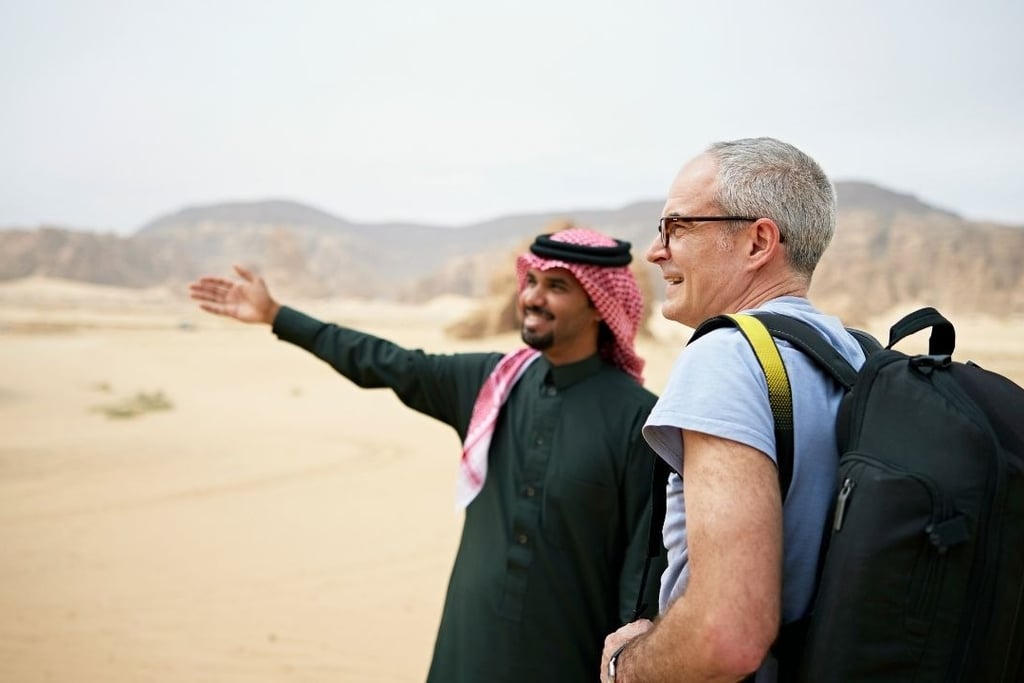
Walking tours and guided formats are seeing double-digit growth again. The difference? Travellers aren’t buying routes. They’re buying perspective.
Tours led by:
Local insiders
People with lived experience
Specialists, not generalists
are outperforming generic sightseeing. The guide is the differentiator.
If your experience description still leads with “see” rather than “learn”, you’re already behind.
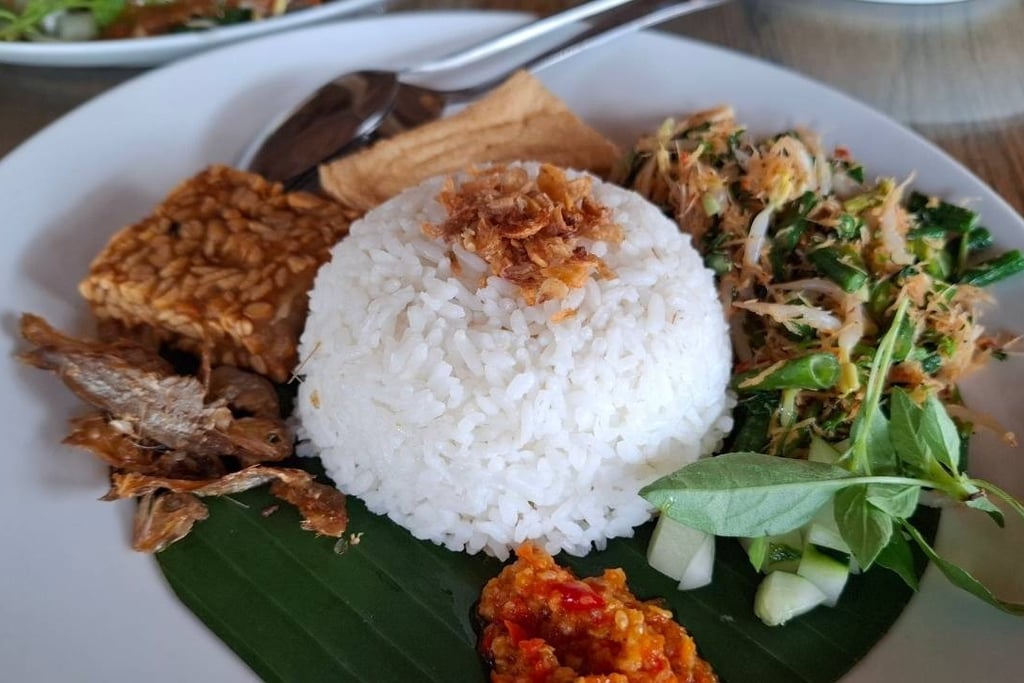
4. Food Has Become the Itinerary
Food isn’t a bonus anymore — it’s the reason people travel. Demand for food-led experiences continues to climb, with travellers actively structuring trips around tastings, markets, and hyper-local specialisms.
For adventure travel, this is a reminder:
Physical activity alone isn’t enough
Multi-sensory experiences convert better
Fuel and flavour matter as much as challenge
5. Early Starts Are Replacing Late Finishes
More than half of travellers now prefer waking early to avoid crowds, with strong growth in sunrise hikes and first-entry experiences.
This directly benefits adventure travel:
Early starts align naturally with hiking, wildlife, and outdoor access
Crowds are now seen as value erosion, not atmosphere
“Quiet access” is becoming a premium feature


6. Skill-Building Has Overtaken Souvenirs
This is the clearest signal of all. Workshops and learning-based experiences are up sharply, with Gen Z leading the shift. Many would rather return home with a skill than a keepsake.
This reframes adventure travel as:
Personal development, not escapism
Capability-building, not consumption
Transformation, not distraction
That’s a powerful positioning shift.


Insights
Stay updated with trends in outdoor leisure.
Subscribe
Connect
Call +(44) 07725 003675
© 2026 Digi-Business Ltd All rights reserved
Resources
Registered Address:
The Adventure Business Update
c/o Digi-Business Ltd (t/a Digital Business)
Lytchett House
13 Freeland Park
Wareham Road
Poole
Dorset
BH16 6FA