
Cassette Toilets vs Bag Welding Systems: Why Thetford Is Pushing Back — and Why the Market Is Listening
Cassette toilets vs bag welding systems: Which suits your RV? Discover why Thetford backs cassettes, the real costs, and which system wins. Read now!
NEWSCARAVANS, MOTORHOMES & CAMPERVANS
Will Hawkins
7/2/20253 min read
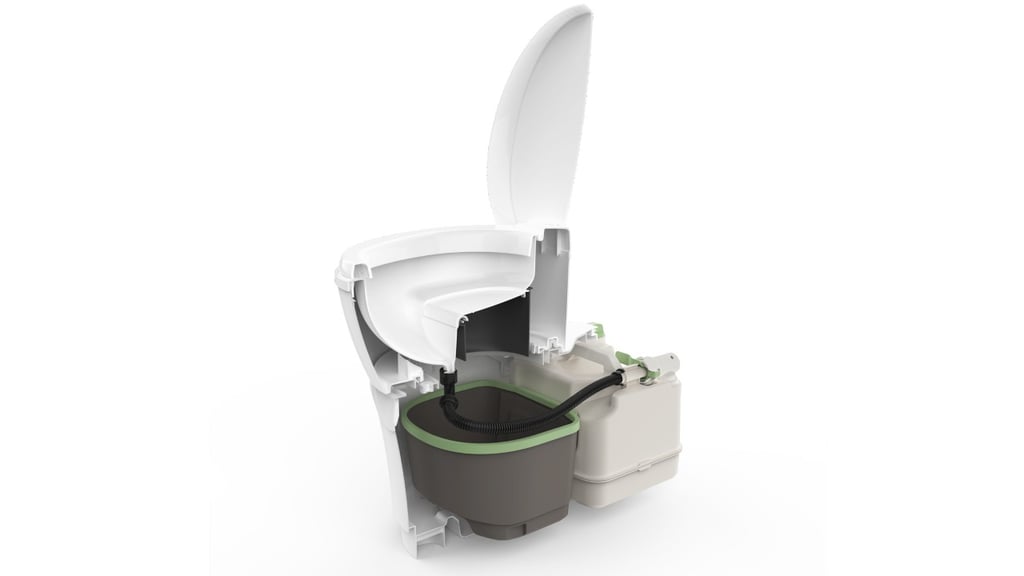
The leisure vehicle sanitation market is getting noisier. Bag welding toilets, separation systems and hybrid solutions are all being positioned as “next-generation” alternatives to the long-established cassette toilet.
Thetford’s latest comparison cuts through that noise with a blunt conclusion: cassette toilets remain the most practical and sustainable option for most leisure vehicle use — especially in markets like the UK, where infrastructure and usage patterns haven’t fundamentally changed.
This isn’t a defensive move. It’s a signal.
Let’s break it down.
What’s Actually Being Compared (Beyond the Marketing Language)
At the centre of the debate are two fundamentally different waste-handling philosophies:
Bag welding systems
Seal waste in single-use plastic foil bags
Dispose via residual waste streams
Higher purchase price (typically €1,400–€1,500)
Ongoing consumable costs driven by bag use and energy
A real-world example cited: Two people, five uses per day, over three weeks = 210 single-use plastic bags and roughly €65 in running costs.
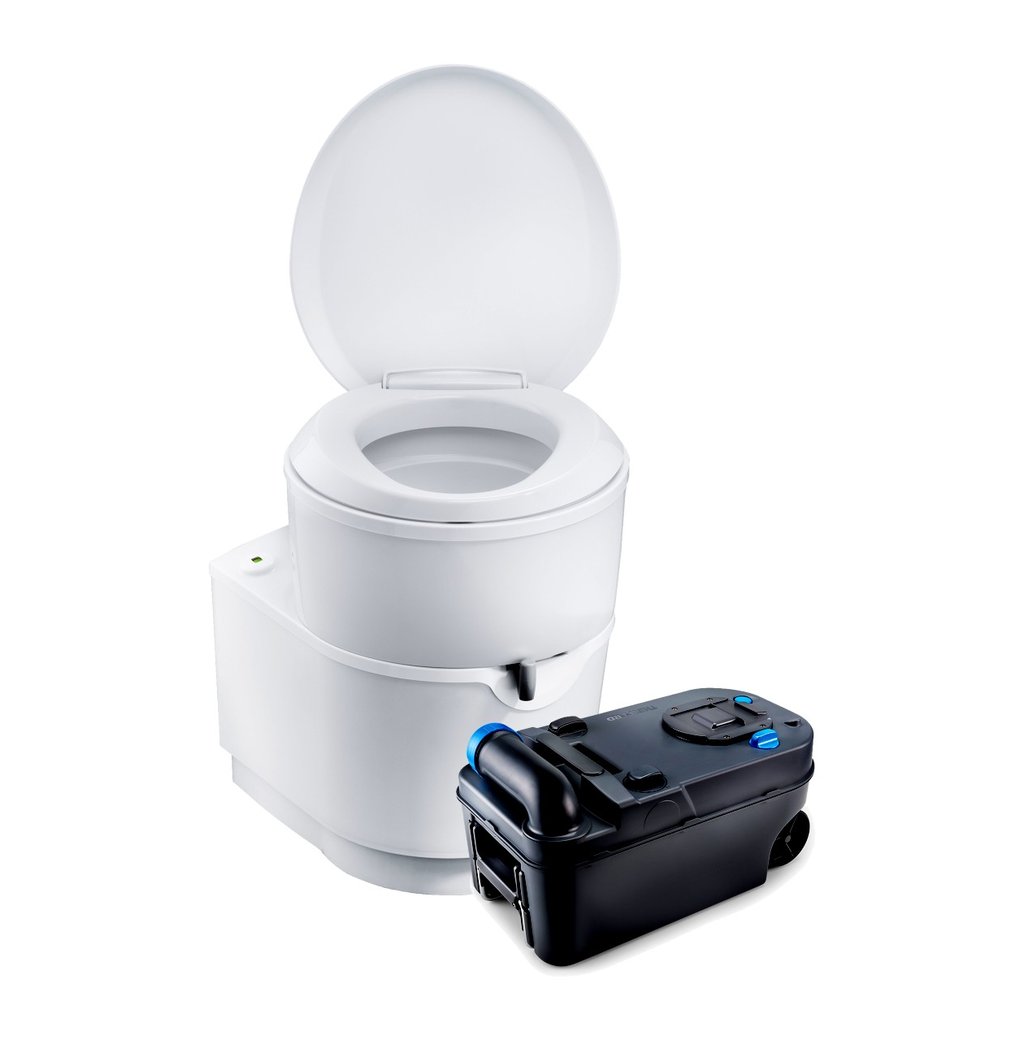
Cassette toilets
Store waste in a reusable holding tank
Dispose via existing sewage or septic infrastructure
Lower upfront cost (around €639–€679 for a typical unit)
Lower ongoing costs using additives and minimal water
Same usage scenario: Less than one bottle of additive over three weeks, costing roughly €13.50, using about 5% of typical household toilet water consumption.
That cost delta isn’t marginal. It’s structural.
What This Means for the UK Caravan and Motorhome Market
The UK context matters here.
Cassette toilets work because:
The UK has dense, mature sewage infrastructure
Designated disposal points are widely available
Additives are regulated to be safe for wastewater treatment, including septic systems
Bag welding systems, by contrast, depend on:
Local waste policies
Bin handling practices
Landfill and compaction processes that were never designed for untreated human waste in plastic bags
That creates friction — for users, site operators and local authorities.
For UK dealers and manufacturers, the takeaway is simple: technology that ignores infrastructure reality creates downstream problems.
And downstream problems always come back to the dealer.
Why This Matters for the Leisure Vehicle Industry
This comparison lands at a moment when manufacturers and suppliers are under pressure to demonstrate sustainability credentials — fast.
Bag welding systems sound attractive on paper:
No water use
Minimal handling
Simple operation
But sustainability doesn’t stop at user convenience. It includes:
Waste streams
Infrastructure compatibility
Long-term environmental impact
Regulatory exposure
Here’s the uncomfortable truth: shifting waste from sewage systems to general refuse streams isn’t automatically more sustainable. Especially when it involves hundreds of single-use plastic bags per vehicle per season.
For OEMs, this reframes the conversation. Sustainability claims that don’t account for full lifecycle impact are increasingly vulnerable — commercially and reputationally.
What This Means for Consumers
For buyers, this comparison quietly resets expectations.
Yes, new toilet systems exist. No, newer doesn’t automatically mean better.
For most UK touring users:
Cassette toilets remain cheaper to run
Easier to dispose of responsibly
More compatible with where and how people actually travel
The gap between perceived innovation and practical ownership cost is widening. Consumers are starting to notice.


Bag welding system
The Strategic Signal Dealers Shouldn’t Miss
Thetford isn’t rejecting innovation. In fact, it’s expanding into separation systems and kits for off-grid users.
But the message is clear:
Alternative systems serve niche use cases
Cassette toilets still align best with mainstream touring behaviour
Infrastructure compatibility is a competitive advantage, not a legacy constraint
If you sell caravans or motorhomes in the UK, this matters because customers are asking smarter questions:
“How do I actually dispose of this?”
“What will this cost me over a season?”
“Is this genuinely greener — or just different?”
Dealers who can answer those questions clearly will outperform those who default to brochure claims.
The Bottom Line
This isn’t a debate about toilets. It’s about systems thinking versus surface-level innovation.
As sustainability claims become more scrutinised — by regulators, consumers and operators alike — products that work with existing infrastructure will continue to win.
Cassette toilets aren’t old tech. They’re aligned tech.
And in the UK leisure vehicle market, alignment still matters more than novelty.
Insights
Stay updated with trends in outdoor leisure.
Subscribe
Connect
Call +(44) 07725 003675
© 2026 Digi-Business Ltd All rights reserved
Resources
Registered Address:
The Adventure Business Update
c/o Digi-Business Ltd (t/a Digital Business)
Lytchett House
13 Freeland Park
Wareham Road
Poole
Dorset
BH16 6FA