
Bailey of Bristol Doubles Down on Waste Reduction — And That’s a Bigger Signal Than It Looks
Consumers care about sustainability more than they admit. Discover how brands win by treating it as operational strategy, not marketing. Read the analysis.
NEWSCARAVANS, MOTORHOMES & CAMPERVANS
Will Hawkins
1/26/20263 min read
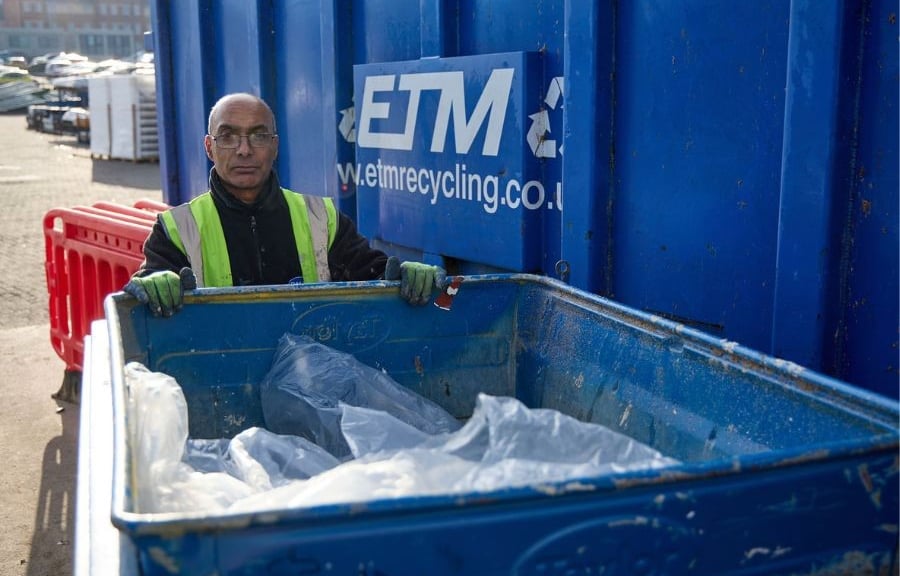
Bailey of Bristol has quietly extended its waste management partnership with ETM Recycling for another three years. On the surface, this looks like a routine sustainability update.
It isn’t.
Strip away the CSR language and this is a manufacturer locking in operational discipline, cost control, and supply-chain resilience at a time when margins across the leisure vehicle sector remain under pressure.
Let’s break it down.
What Bailey Has Actually Done (Beyond the Sustainability Headlines)
Since 2023, Bailey and ETM have achieved:
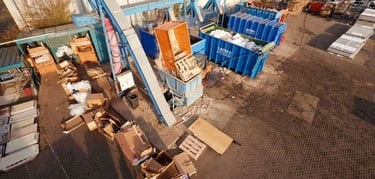
Zero waste to landfill
2,325 tonnes of waste diverted in 2025 alone
70% recycling, 30% recovery
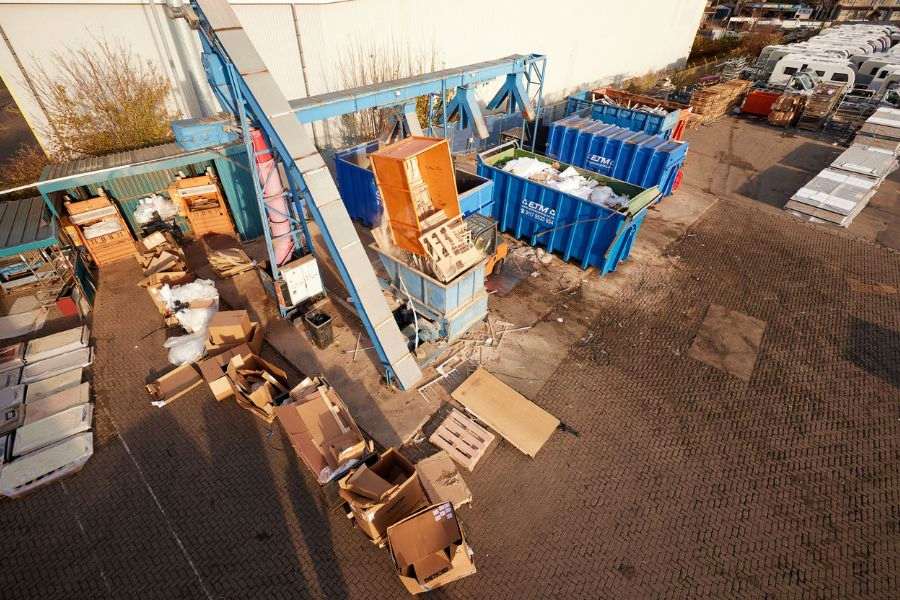
Elimination of landfill disposal for sawdust — previously a sunk cost
Fewer waste collections through better on-site segregation
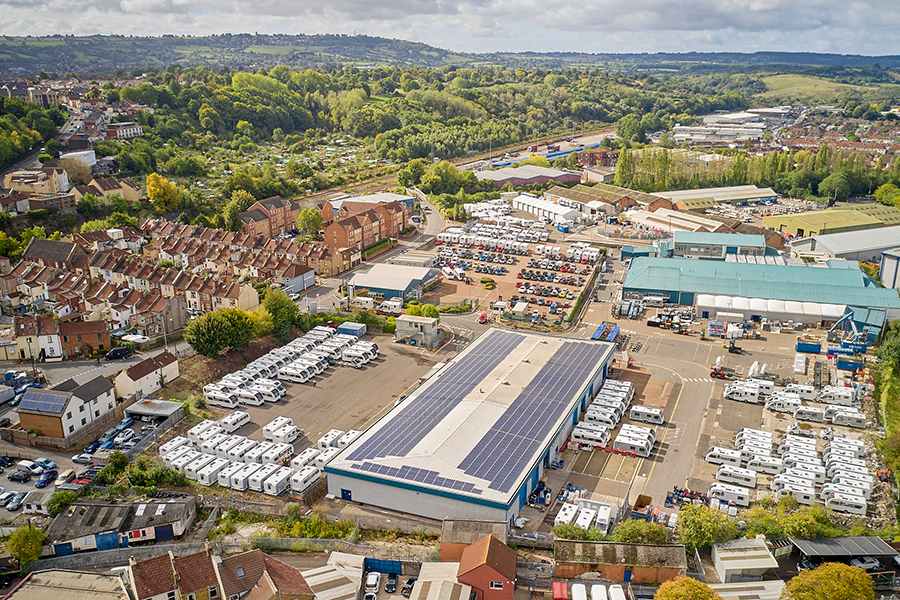
Reduced transport emissions by using a waste facility less than a mile away
That last point matters more than it sounds. Waste isn’t just an environmental problem — it’s a logistics one. Bailey has reduced vehicle movements, cut disposal costs, and simplified compliance in one move.
This is operational hygiene. And it pays.
What This Means for UK Outdoor Leisure Vehicle Dealers
Dealers don’t make caravans, motorhomes or campervans - but they inherit the story.
Manufacturers that can demonstrate:
Zero waste to landfill
Reduced packaging waste
Measurable progress toward Net Zero
…make it easier for dealers to sell to a customer base that is increasingly values-led and price-sensitive.
Here’s the uncomfortable truth: Customers don’t just ask what a vehicle costs anymore. They ask how it’s made.
If you’re selling Bailey and your sales team can’t articulate this story clearly, you’re leaving value on the table.
More importantly:
Dealers aligned with well-run manufacturers face lower reputational risk
Sustainability credentials increasingly influence fleet buyers, hire operators, and export markets
Expect future compliance and reporting requirements to push this from “nice to have” to commercial necessity
This gap will widen.
The Bigger Takeaway
Bailey’s renewed partnership with ETM Recycling isn’t about PR. It’s about locking in better systems.
In a market where:
Input costs are volatile
Consumers are cautious
Regulation is tightening
…the manufacturers that win will be the ones who run tighter operations, not louder marketing campaigns.
Sustainability, done properly, is operational strategy.
Bailey seems to understand that.
It's a clear signal.
Why This Matters for the UK Leisure Vehicle Industry
Let’s be blunt: sustainability is no longer a branding exercise. It’s becoming a proxy for how well a manufacturer runs its business.
Bailey’s approach shows three things the wider industry should pay attention to:
Waste reduction at source beats offsets every time Reusable packaging, returnable crates, and eliminating single-use plastics reduce cost and friction upstream. That’s smarter than trying to “greenwash” emissions downstream.
Operational efficiency and Net Zero are converging Switching to silicone sealant sausages instead of tubes isn’t sexy — but it improves line efficiency and cuts packaging waste. Multiply that thinking across a factory and the gains stack up fast.
Local supply chain partnerships reduce risk Working with a nearby waste partner cuts exposure to fuel price volatility, driver shortages, and regulatory changes. That’s resilience, not virtue signalling.
This isn’t about being “greener”. It’s about being better run.
Why Consumers Actually Care (Even If They Don’t Say It)
Most buyers won’t quote recycling percentages back to you.
But they do notice:
Less packaging waste during handover
Fewer single-use plastics
Brands that feel considered rather than disposable
And increasingly, they equate responsible manufacturing with build quality and longevity.
That’s not accidental. Brands that sweat the details behind the scenes tend to do the same on the product.

Insights
Stay updated with trends in outdoor leisure.
Subscribe
Connect
Call +(44) 07725 003675
© 2026 Digi-Business Ltd All rights reserved
Resources
Registered Address:
The Adventure Business Update
c/o Digi-Business Ltd (t/a Digital Business)
Lytchett House
13 Freeland Park
Wareham Road
Poole
Dorset
BH16 6FA