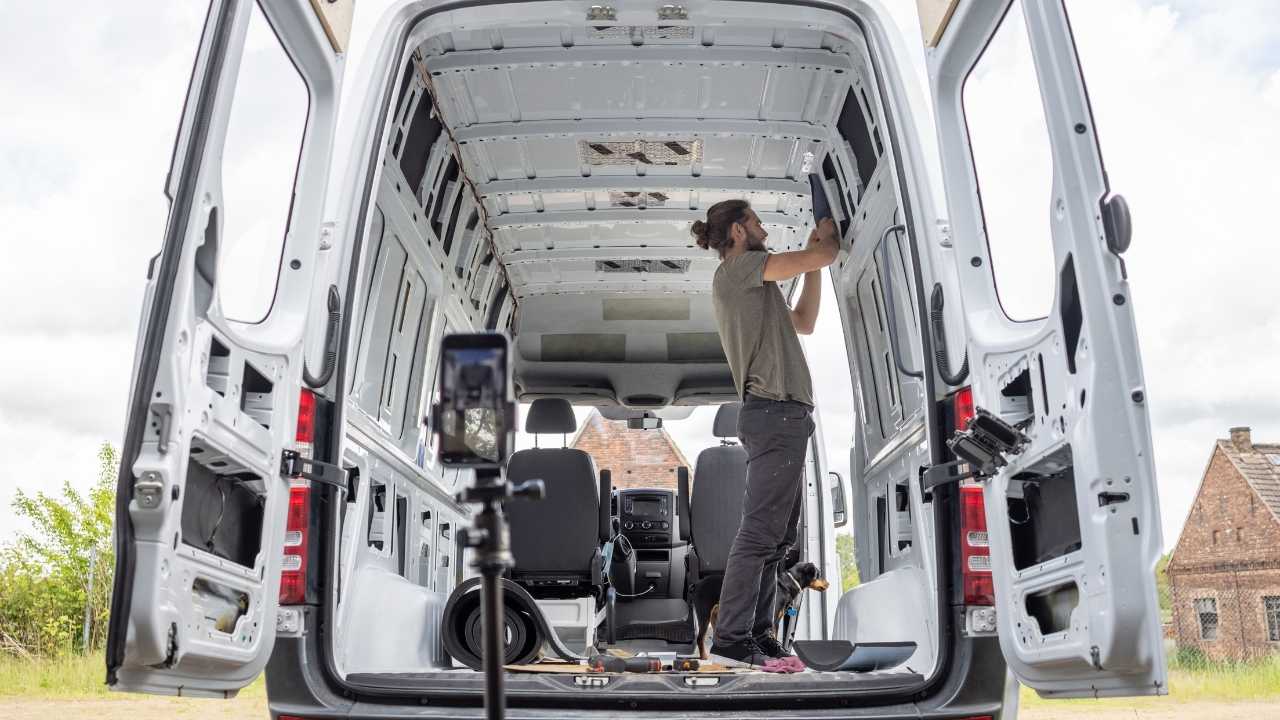
The DVLA has updated the rules for turning a converted van into a registered motor caravan. The guidance changed on 19 October 2026, and some of the trade press has read it as a tightening of the evidence bar.
GB News ran it as an alert that could affect vehicle owners across Britain. Strip away the alarm and here is what it is.
If you want the words motor caravan on your V5C, there is a clear checklist to meet and a set of photographs to supply. Get one element wrong and the application comes back.
That matters more than the headline suggests. New motorhome sales have flattened, as our coverage of Trigano shipping into a flat market set out, so used vans and self-builds are carrying more of the demand. The paperwork behind those vans is exactly where buyers, sellers and converters get caught out.
What the DVLA Actually Requires Now
To record a converted vehicle as a motor caravan, the DVLA wants proof of the build, not just a description. The current guidance sets out the features and the evidence.
The vehicle must have:
- Two or more windows on at least one side of the main body, giving daylight into the living area. Cab windows do not count.
- A separate door into the living accommodation, not the driver or passenger door. A window in that door can count towards the two.
- A high-top roof or a pop-top elevating roof.
The photographs do the real work. You send external shots from the front, both sides and the rear with the plates visible, plus the VIN or chassis number on the original bodyshell. Inside, you photograph the seats and table, the sleeping accommodation, the cooking facilities, the storage and the two windows, with the bed and table in the use position.
The paperwork is the motor caravan conversion checklist, known as form V1006, and the V5C, posted to DVLA, Swansea, SA99 1BA. Ask for your photos back in the application or you will not get them.
One line in the guidance is worth flagging. Some shells are “so distinctive in appearance” that the body type cannot be changed at all. The DVLA’s own example is a bus.
Why This Matters for the Converted Van Market
Look closer and the signal is about records, not a crackdown. The DVLA wants consistent evidence that a van is permanently fitted out as a motor caravan, so the V5C means something.
Here is the blunt truth for anyone selling the upgrade. The guidance says the body type “should not affect the insurance category” and has no effect on speed limits, so this is not an insurance dodge. It promises nothing on vehicle tax, so a buyer expecting the logbook to cut their bills is working on hope, not the rules.
This sits alongside a wider drumbeat on conversions. Ford has already tightened the rules on campervan conversions, and the licensing side keeps shifting too, as our look at the 4.25 tonne motorhome licence showed. The converted van is being treated as a serious vehicle class, with the records to match.
What Dealers and Converters Should Do
This is a job for this month, not a note for the file.
If you buy, sell or take converted vans in part-exchange, check the V5C body type before you price the stock. A van described as a camper that still shows as a panel van on the logbook is a different sale, and a different conversation with the buyer.
If you build vans, photograph each conversion to the DVLA list as you go. Bed and table in the use position, plates visible, the two windows clearly shown. Doing it after the fit-out is finished wastes a day.
Brief your sales team to stop promising insurance savings from reclassification, and to treat any tax saving as unproven rather than a selling point. The upside is an accurate logbook and a cleaner resale, and that is a fair thing to sell.
Keep a copy of the completed checklist with each converted unit. A buyer who can see the van’s status is clean pays with more confidence than one taking your word for it.
The Signal Is Clear
The line between a panel van with a bed and a registered motor caravan is a paperwork line, and the evidence the DVLA now spells out makes that line explicit. In a market leaning harder on used and self-built vans, a clean record is turning into a selling point rather than an afterthought.
If your forecourt holds a converted van with a vague V5C, sort it before a buyer does.